Hello Mella: A Versatile Handwritten Font for Web Design
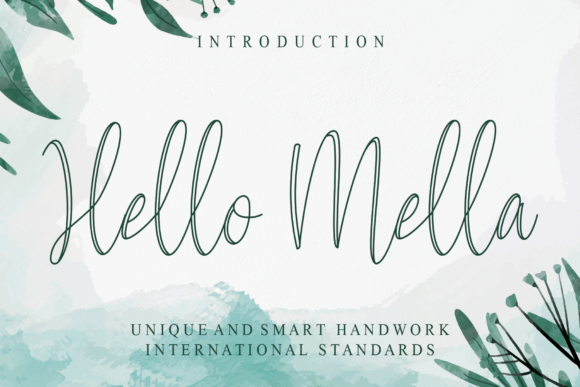
In the crowded landscape of digital interfaces, typography is often the deciding factor between a user bouncing off a page and staying to explore. As web designers and UI creators, we constantly search for typefaces that balance personality with performance. Hello Mella emerges as a compelling option in this space, offering a delicate and elegant handwritten aesthetic that feels both personal and polished. Unlike many script fonts that sacrifice legibility for flair, Hello Mella maintains distinct, well-rounded letters that ensure clarity across various screen sizes and devices.
This font belongs to the Script Amp category, a collection known for its high-quality display fonts that cater to modern typography needs. For digital product creators, Hello Mella is not just a decorative element; it is a strategic tool for establishing brand tone and visual hierarchy. Whether you are designing a landing page for a SaaS product, a boutique online store, or a personal portfolio, understanding how to deploy this typeface effectively can significantly enhance user engagement and conversion rates.
Visual Characteristics and Digital Appeal
The primary strength of Hello Mella lies in its balanced structure. The letters are rounded and open, which prevents the common issue of scripts appearing cluttered or illegible at smaller sizes. This makes it an excellent choice for headers where immediate impact is required without sacrificing readability. The handwritten style conveys warmth, approachability, and authenticity—traits that are increasingly valuable in building trust with online audiences.
When used in hero sections or large banners, Hello Mella acts as a focal point. Its elegant curves guide the eye naturally, creating a smooth reading rhythm. For brands aiming to project a friendly yet professional image, such as coaching services, creative agencies, or lifestyle blogs, this font aligns perfectly with their identity. It avoids the stiffness of traditional serif fonts while maintaining more structure than casual scribbles, striking a sweet spot for modern web design.
Strategic Placement in Web Layouts
To maximize the effectiveness of Hello Mella, it is crucial to understand its role within the visual hierarchy. This typeface is best suited for short phrases, headlines, and call-to-action areas rather than long-form body copy. Using a decorative display font for paragraphs can lead to eye fatigue and reduced comprehension. Instead, reserve Hello Mella for elements that need to stand out.
- Hero Titles: Use large sizes to create an emotional connection immediately upon landing on the page.
- Section Headings: Break up content blocks with elegant subheads that maintain the brand’s voice.
- Logo Text: Its unique letterforms make it suitable for logo design, especially for brands seeking a custom, handcrafted look.
- Digital Ads and Banners: Capture attention quickly in social media graphics and display ads where space is limited.
For example, on a course sales page, Hello Mella can be used for the main promise or headline, while a clean sans serif font handles the detailed curriculum description. This contrast ensures that the key message pops, while the supporting information remains easy to scan.
Readability and Responsive Considerations
One of the biggest challenges with handwritten fonts is maintaining legibility on mobile devices. Hello Mella performs well in this regard due to its well-rounded characters, but careful implementation is still necessary. When designing responsive layouts, ensure that the font size scales appropriately. On smaller screens, increase line height and letter spacing slightly to prevent characters from touching or merging.
Contrast is another critical factor. Hello Mella works beautifully on both light and dark backgrounds, provided there is sufficient contrast. Avoid placing thin strokes over busy image overlays unless a solid backdrop or shadow is applied. For buttons and small interactive elements, test the font at various sizes to ensure it remains clear and clickable. If the details become lost at small sizes, consider switching to a simpler sans serif font for those specific UI components.
Font Pairing for Cohesive Brand Identity
A strong brand identity relies on harmonious typography. Hello Mella pairs exceptionally well with neutral, geometric sans serif fonts. This combination creates a balanced editorial design feel, where the script adds personality and the sans serif provides stability and readability. For a more traditional or luxurious aesthetic, pairing it with a classic serif font can evoke a sense of heritage and sophistication.
When building a design system, limit your palette to two or three typefaces. Use Hello Mella for emphasis and branding moments, and rely on your secondary font for navigation, body text, and functional UI elements. This consistency helps users navigate your site intuitively while reinforcing your brand’s visual language across all touchpoints, from app screens to email newsletters.
Licensing and Technical Implementation
Before integrating Hello Mella into client projects or commercial products, verify the licensing terms. Ensure that the license covers webfont usage, including embedding via CSS for websites and online stores. Check for available file formats such as WOFF and WOFF2, which are optimized for web performance and faster loading times. Additionally, review the character set to confirm multilingual support if your audience spans different regions.
Many premium fonts include alternates and ligatures that can add further customization to your designs. Explore these features to create unique headings or logos that stand out. By paying attention to these technical details, you ensure that Hello Mella not only looks great but also performs efficiently across all digital platforms.
Incorporating Hello Mella into your toolkit offers a versatile solution for enhancing digital experiences. Its ability to convey elegance and warmth while maintaining readability makes it a valuable asset for any web designer focused on creating engaging, conversion-driven layouts. By using it strategically in headers, banners, and brand assets, you can elevate the visual appeal of your projects and strengthen your clients' online presence.